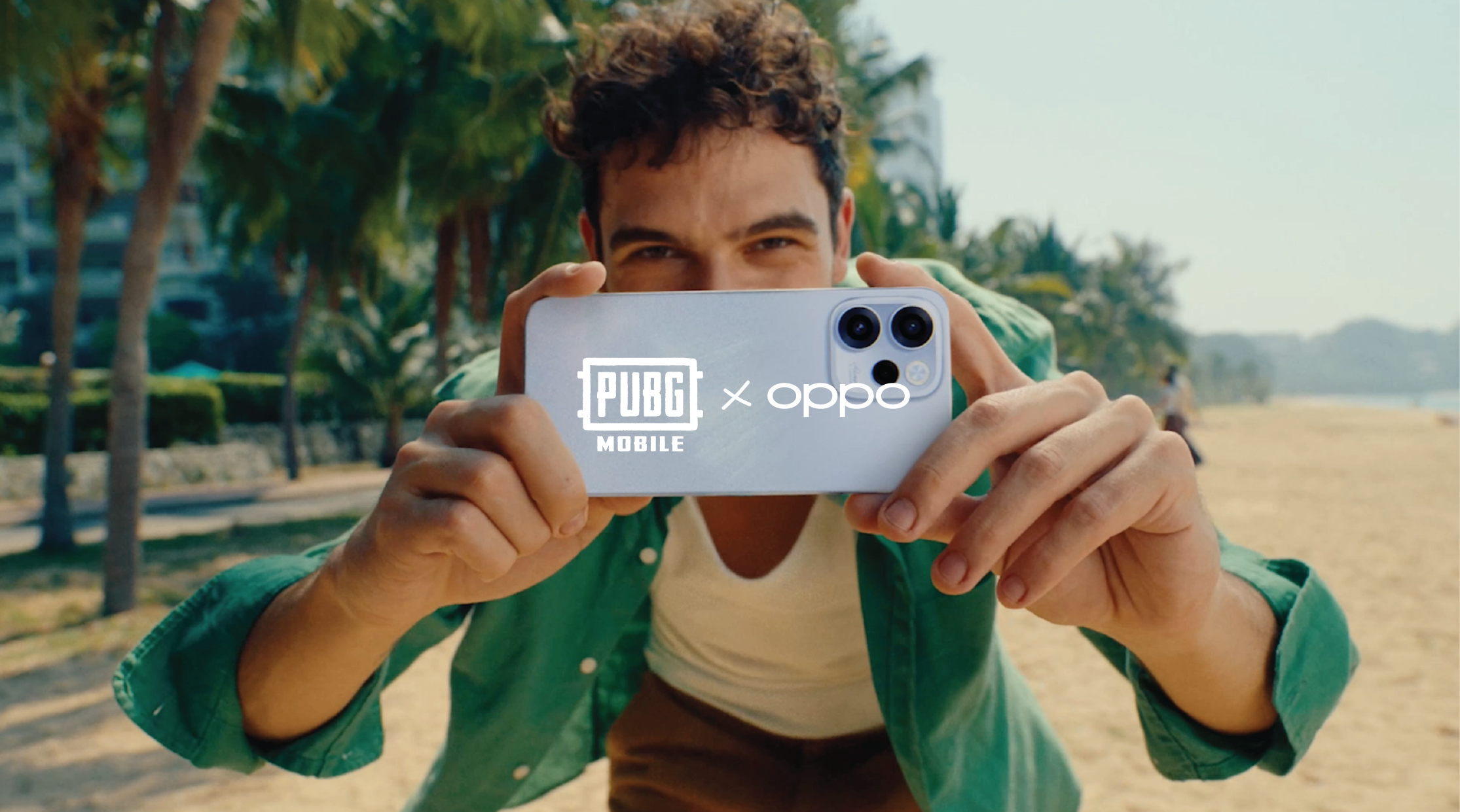
‘OPPO x PUBG’ INSIGHTS
Behind the Production: Managing Location, Styling, and Client Communication on the OPPO x PUBG Project
For this edition of Fat Mango Insights, we spoke with the project manager behind the OPPO x PUBG production to understand what it really takes to bring a game-inspired shoot to life. From finding locations that matched the world of the game, to coordinating freelance teams and managing client communication, the project was a strong example of how much production relies on planning, trust, and clear communication.
What was your role on this project?
On this project, my role was to help manage the whole team and keep communication flowing across everyone involved. That meant coordinating with the crew, keeping track of timing and locations, and making sure information was aligned between all departments throughout the production.
How did you find the right location to replicate the game’s scenery?
The main thing was working with a location manager we could rely on. Once we received the brief, we shared the visual style, conditions, aesthetic direction, and client references with them. From there, the location manager studied the game, reviewed the director’s references, and came back with location options for the client to choose from.
It was important that the locations not only matched the creative direction, but were also practical and available for the shoot.
For people who don’t know, what does a location manager do in production?
A location manager is responsible for finding and securing locations that fit the brief. They look for places that make sense creatively and logistically, then check whether those spaces are actually available and workable for production.
Once options are shortlisted, they also handle much of the communication with the location owner. That includes practical details like parking, accessible areas, restrictions on set, and what parts of the space can or cannot be used. If there are any questions about the location, they are usually the person leading that process.
How did you approach props and wardrobe to match the game aesthetic?
It was actually quite similar to how we approached locations. For props and wardrobe, the key was finding the right freelance creatives, especially art team members and stylists, whose portfolio already showed a similar vibe or aesthetic to what the client wanted.
Once we found the right people, we briefed them clearly on the client’s references, expectations, and desired tone. Then they developed options and ideas that fit the theme, while also bringing in their own creative suggestions. After that, we presented those options to the client for selection.
The most important part was making sure the brief was clear enough for the team to build from.
The location was in Pattaya, while most people were based in Bangkok. How did you manage timing, traffic, and delays?
A lot of it came down to planning with extra buffer time. We broke the schedule down carefully and thought through the travel realistically. Even if the drive might normally take around two hours, for a shoot day we would allow more time to account for traffic, setup, and other delays that are outside our control.
We also had to speak to each department in advance about how much time they realistically needed. For example, the art team might need extra time for setup, so their call time would be earlier than others. It was really about communicating with every team clearly, understanding their needs, and building the schedule around that.
In general, though, people were professional. Since everyone knew it was a location shoot outside Bangkok, most crew naturally planned to arrive earlier.
You’re still early in your career. How are you learning to manage clients as a young producer?
One thing I’ve learned is that when you communicate with clients, confidence matters. Before saying anything, I try to recheck the information first so I can speak clearly and confidently. That helps clients feel assured that they’re working with someone professional.
I also think it’s important to communicate clearly and politely. Sometimes your role is not just repeating what the team says, but helping translate it into something that makes sense for the client. You have to understand what the team needs, then communicate that in a way that feels professional, clear, and respectful.
That’s something I’m still learning, but I think it’s a big part of client management.
What this project shows about production
The OPPO x PUBG shoot is a good reminder that production is never just about what happens on camera. Behind every finished visual is a huge amount of coordination between people, departments, locations, and timelines.
From relying on the right location manager, to choosing stylists and art teams with the right sensibility, to managing crew travel outside Bangkok, the project shows how strong production depends on trust, structure, and communication at every step.
And for younger producers stepping into bigger responsibilities, it also highlights something else. Professionalism is not about age. It is about clarity, preparation, and the ability to help everyone move in the same direction.